Use more power in daylight
Homes with daytime loads can use solar directly. Hot-water timing, EV charging and appliance scheduling can improve self-use without a battery.

Residential solar
Use less grid power, prepare for future storage or build backup into the system from day one. We explain what each option changes before you spend.
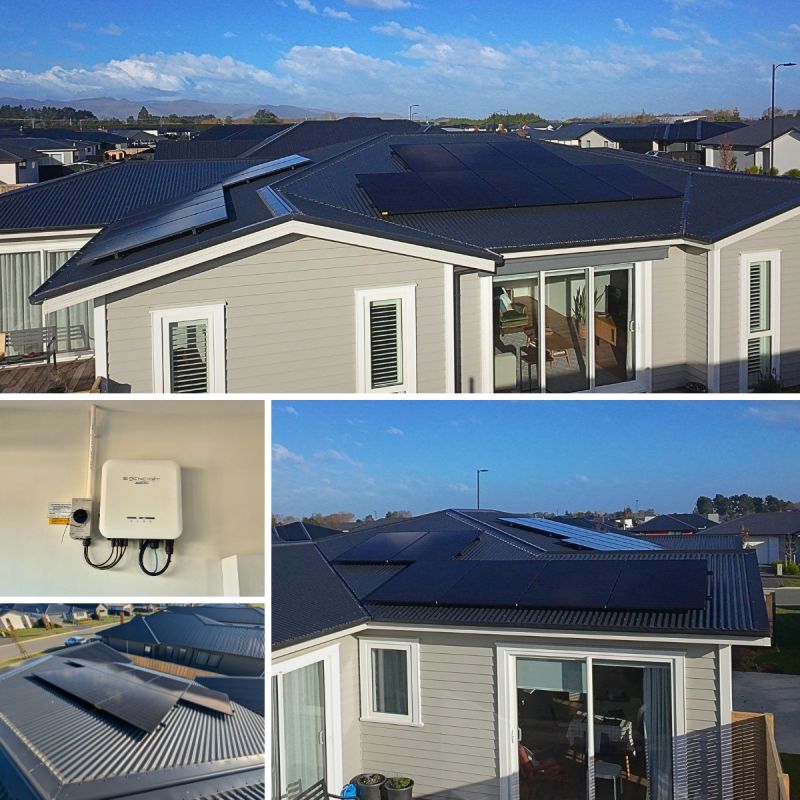
Homes with daytime loads can use solar directly. Hot-water timing, EV charging and appliance scheduling can improve self-use without a battery.
A battery may be more useful when evening demand is high. We compare storage with simpler ways to move loads into solar hours.
Understand batteries →Early planning helps with roof space, cable routes, inverter position, switchboard capacity, hot-water control and future EV charging.
Solar alone normally does not keep a home powered during an outage. Backup needs a compatible system and a clear plan for essential loads.
See backup options →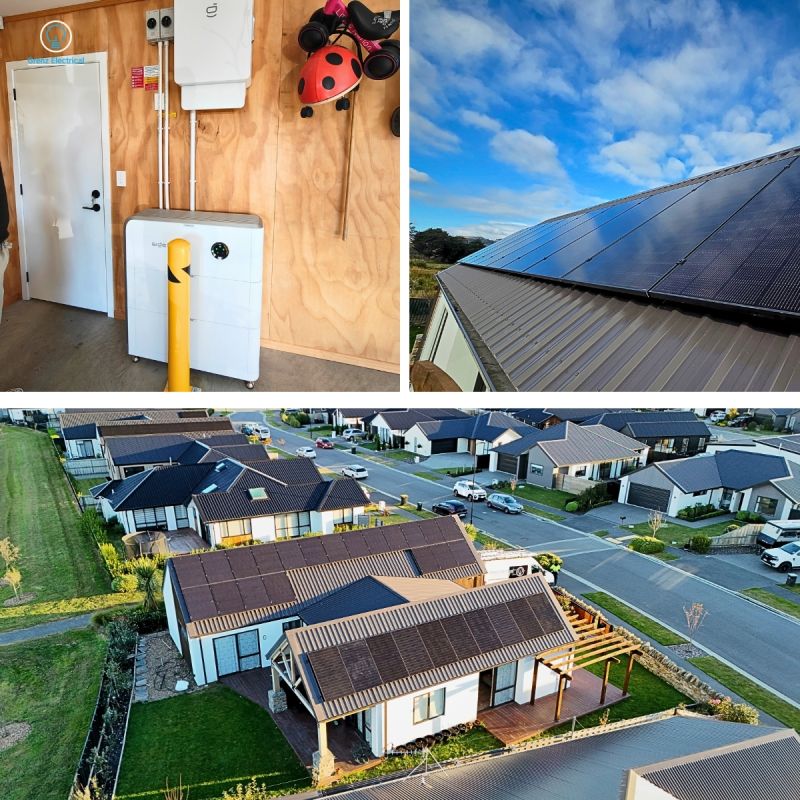
THREE COMMON PATHS
Bigger is not automatically better. The useful system is the one that matches the house, budget and reason you are installing solar.
Grid-tied solarA straightforward way to reduce grid purchases when daytime use is strong.
Battery-ready solarA compatible hybrid inverter can keep the storage option open for later.
Solar + batteryStore daytime generation for evening use and add backup where it is properly designed.
A BETTER FIRST ESTIMATE
You do not need a perfect brief. These details let us start with a recommendation that is relevant to your actual property.
HOME SOLAR QUESTIONS
We will confirm the site-specific details before recommending equipment.
Yes, at a lower output. Panels use daylight rather than heat. A realistic design considers annual generation, roof direction and seasonal variation—not only perfect summer conditions.
North is useful, but east- and west-facing roof sections can also be practical depending on your usage times, shading and available space.
A careful installation starts with roof condition, fixing points, access and cable routes. The team protects the property, uses the correct mounting approach and leaves the work tidy.
Yes, where it suits the system and existing installation. These loads can often be scheduled to use more solar during the day.
START A CONVERSATION
Send your address and two recent seasonal bills. We will tell you what else we need.